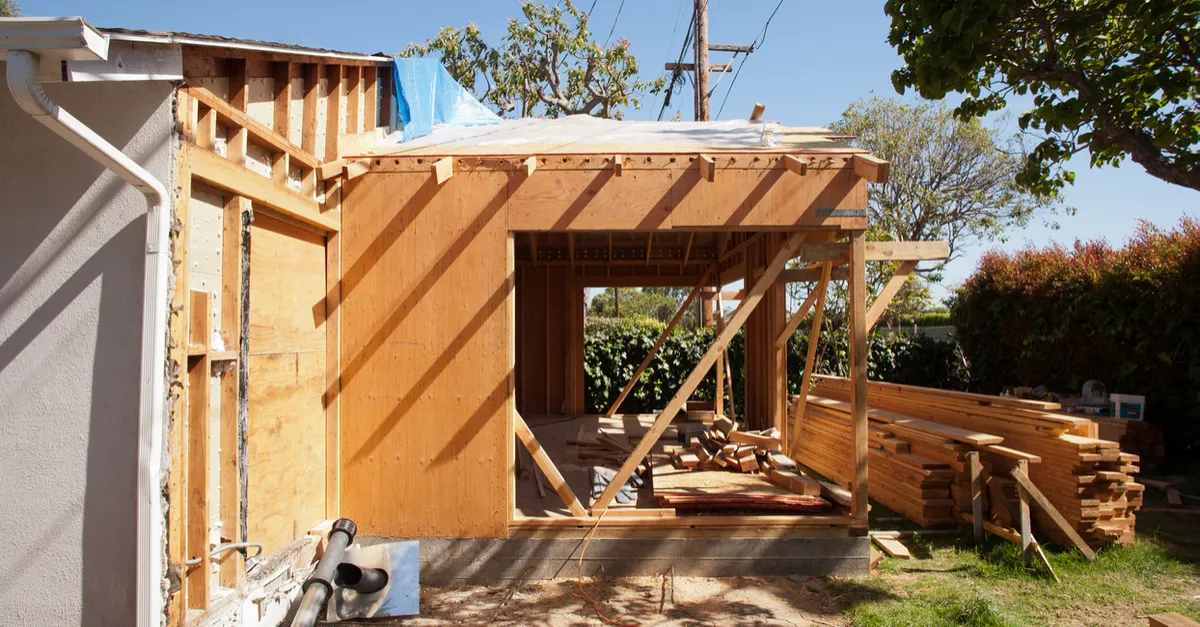
Salt Lake City Home Remodeling: From Renovations to ADU Construction
Planning a home improvement or construction project is a major decision for Utah homeowners. Whether you're updating an existing property, renovating a kitchen, adding more living space, or building a new home, understanding your options can help you plan a project that fits your property, budget, and long-term goals.
For homeowners searching for home remodeling in Salt Lake City, Utah, choosing the right project scope and contractor is an important first step. From full home renovations and kitchen remodeling to home additions, accessory dwelling units (ADUs), and new home construction, every project requires careful planning.
Oakley Homes & Construction works with homeowners in Salt Lake City and surrounding Utah communities on residential construction, remodeling, ADUs, and home additions.
1. Home Remodeling in Salt Lake City, Utah
Home remodeling can help homeowners improve their existing space without moving to a different property. Depending on the home's condition and your goals, a remodeling project may involve updating individual rooms or renovating multiple areas throughout the house.
Common home remodeling projects include:
Updating outdated kitchens and bathrooms
Replacing flooring, cabinets, and interior finishes
Improving room layouts and functionality
Modernizing living areas
Updating lighting and fixtures
Renovating multiple rooms
Improving storage and usable space
Preparing a home for changing family needs
Before starting a home remodeling project in Salt Lake City, identify the improvements that matter most. Establishing clear priorities can help you determine the project scope and allocate your budget effectively.
A smaller renovation may address specific problems, while a full home remodel may require coordination across several rooms, construction trades, and building systems.
2. How to Choose a General Contractor in Utah
Choosing a qualified general contractor is one of the most important steps in planning a home renovation or construction project.
A general contractor may coordinate construction activities, subcontractors, materials, scheduling, and other project requirements, depending on the agreed scope of work.
When comparing general contractors in Utah, consider the following questions:
Relevant experience: Has the contractor completed projects similar to yours, such as full home renovations, kitchen remodeling, home additions, or ADUs?
Project estimates: Does the estimate clearly explain the work included, material allowances, exclusions, and potential additional expenses?
Communication: Who will be your primary contact, and how frequently will you receive progress updates?
Scheduling: What is the anticipated construction timeline, and how will schedule changes be communicated?
Permits and requirements: Who is responsible for identifying and coordinating the required permits and inspections?
References and documentation: Can the contractor provide relevant project examples, references, insurance information, and applicable licensing details?
Change management: How will unexpected conditions or changes to the original project scope be documented and priced?
For homeowners searching for a general contractor in Utah, comparing these factors can help make the selection process more informed. The lowest estimate is not necessarily the best fit if the project scope, materials, or responsibilities differ significantly.
3. Home Additions in Cottonwood Heights, Utah
When your existing home no longer provides enough space, a home addition may be an alternative to moving.
Home additions can create more room while allowing homeowners to remain in their current neighborhood. Depending on the property and project requirements, an addition may include:
A new bedroom
An additional bathroom
An expanded kitchen
A larger living or family room
A home office
A primary bedroom suite
Additional space for a growing household
For homeowners considering home additions in Cottonwood Heights, the first step is evaluating the property and determining whether the proposed addition is feasible.
Important considerations include the existing floor plan, structural requirements, property boundaries, setbacks, utilities, drainage, and applicable local building regulations.
The design should also complement the existing home. Rooflines, exterior materials, window placement, and interior transitions can all affect how naturally the new space integrates with the original structure.
Before construction begins, establish a defined scope of work and discuss the potential costs, timeline, permitting requirements, and any temporary disruptions to daily life.
4. Kitchen Remodeling in Salt Lake City
The kitchen plays an important role in everyday household activities, from preparing meals to gathering with family and friends. A well-planned kitchen remodel can improve both functionality and appearance.
A kitchen remodeling project may include:
New cabinets and storage
Updated countertops
Flooring replacement
Improved lighting
New appliances
Updated plumbing fixtures
A kitchen island
Pantry improvements
Better work surfaces
Changes to the kitchen layout
For homeowners searching for kitchen remodeling in Salt Lake City, planning the layout is just as important as selecting finishes.
Consider how you move between the refrigerator, sink, cooking area, and preparation surfaces. Evaluate cabinet storage, countertop space, lighting, and the number of people who regularly use the kitchen.
If the project involves relocating plumbing, electrical systems, walls, or major appliances, these changes should be evaluated during the planning stage.
Material selections should also reflect your household's needs. Durable surfaces, practical storage, and appropriate lighting can help create a kitchen that remains functional well beyond the completion of the renovation.
5. New Home Construction in Utah
Some homeowners may find that renovating an existing property does not meet their needs. In these situations, new home construction may be worth exploring.
Building a new home allows homeowners to plan the layout, room sizes, storage, finishes, and other features around their preferences and lifestyle.
However, new home construction involves more than selecting a floor plan. Important considerations may include:
Land and property suitability
Site preparation
Architectural design
Engineering requirements
Construction budgeting
Utility connections
Permits and inspections
Material selections
Contractor coordination
Construction scheduling
For anyone researching new home construction in Utah, it is important to evaluate the total project budget, including land costs where applicable, design fees, site work, utility connections, and other expenses beyond the home's basic construction.
The property, design complexity, material choices, and permitting process can all affect the project timeline and overall investment.
Clear planning before construction begins can help homeowners understand the major decisions and responsibilities involved.
6. Should You Remodel, Add to Your Home, or Build an ADU?
Homeowners who need more space have several options. The right solution depends on how the property is currently used and what the household needs in the future.
Home remodeling
Remodeling may be appropriate when the existing home has enough space but needs an updated layout, finishes, or improved functionality.
Home additions
An addition may be suitable when you need more bedrooms, bathrooms, or shared living space connected to the main home.
Accessory dwelling units
An ADU is a separate living unit that may be attached to or detached from the primary residence, subject to applicable local requirements. Utah homeowners may consider an ADU for aging parents, grandparents, adult children, guests, or potential rental income.
Garage conversions
A garage conversion may create additional living space from an existing structure, provided the building can meet applicable structural, safety, energy, and permitting requirements.
Before choosing an option, consider your available space, budget, household needs, property restrictions, and long-term plans.
7. Plan Your Construction Budget Before Starting
A realistic budget is essential for remodeling and construction projects.
The total cost can depend on project size, material selections, labor, structural changes, site conditions, utilities, permits, and the complexity of the work.
Before committing to a project, consider:
The estimated construction cost
Design and engineering fees
Permit and inspection expenses
Material and fixture allowances
Potential structural or utility upgrades
Temporary living arrangements, if needed
A contingency for unexpected conditions
Ask your contractor to explain what is included in the estimate and which expenses may be excluded or determined later.
For major renovations, additions, ADUs, and new home construction, clearly documenting the project scope can help establish realistic expectations before work begins.
8. Understand Permits and Local Building Requirements
Construction requirements can vary by project type and municipality. Home remodeling, structural alterations, additions, ADUs, and new home construction may require permits, inspections, or other approvals.
Homeowners should verify the requirements that apply to their specific property before finalizing designs or beginning construction.
For projects in Salt Lake City, Cottonwood Heights, and surrounding Utah communities, property-specific considerations may include zoning, setbacks, lot coverage, structural design, utility connections, access, and applicable building codes.
Identifying these requirements early can help prevent avoidable design changes and construction delays.
9. Why Project Communication Matters
A remodeling or construction project involves multiple decisions, scheduled activities, material selections, and coordination between different professionals.
Clear communication helps homeowners understand project progress and prepare for upcoming decisions.
Before hiring a contractor, ask how progress updates will be provided, who will manage day-to-day coordination, and how changes to the schedule or project scope will be communicated.
A defined communication process can help keep everyone informed from planning through construction and completion.
10. Choose the Right Construction Approach for Your Home
Every home and property has different requirements. A successful project starts with understanding what you want to accomplish and selecting an approach that fits your circumstances.
Whether you're planning home remodeling in Salt Lake City, a kitchen renovation, a home addition in Cottonwood Heights, an ADU, or new home construction in Utah, consider the following steps:
Define your project goals.
Evaluate the existing property.
Establish a realistic budget.
Explore suitable design options.
Research applicable permits and requirements.
Compare contractors and project estimates.
Confirm the scope of work and communication process before construction begins.
Taking the time to evaluate these factors can help you make informed decisions about your property improvement project.
Home Remodeling and Construction in Salt Lake City, Utah
Oakley Homes & Construction works with homeowners in Salt Lake City and surrounding Utah communities on residential remodeling and construction projects, including full home renovations, kitchen remodeling, home additions, and ADUs.
Whether you're improving your current home, planning additional living space, or exploring new construction, understanding your property's needs and the project requirements is an important first step.
Contact Oakley Homes & Construction to discuss your goals and explore the construction options that may be suitable for your property.
Final Thoughts
Home remodeling and construction can help homeowners create spaces that better fit their lifestyles, families, and long-term plans.
From kitchen remodeling and full home renovations to home additions, ADUs, and new home construction, careful planning helps establish a clearer path from the initial idea to the finished project.
Start with your goals, understand your options, and work with a contractor who can explain the project scope, costs, requirements, and next steps.