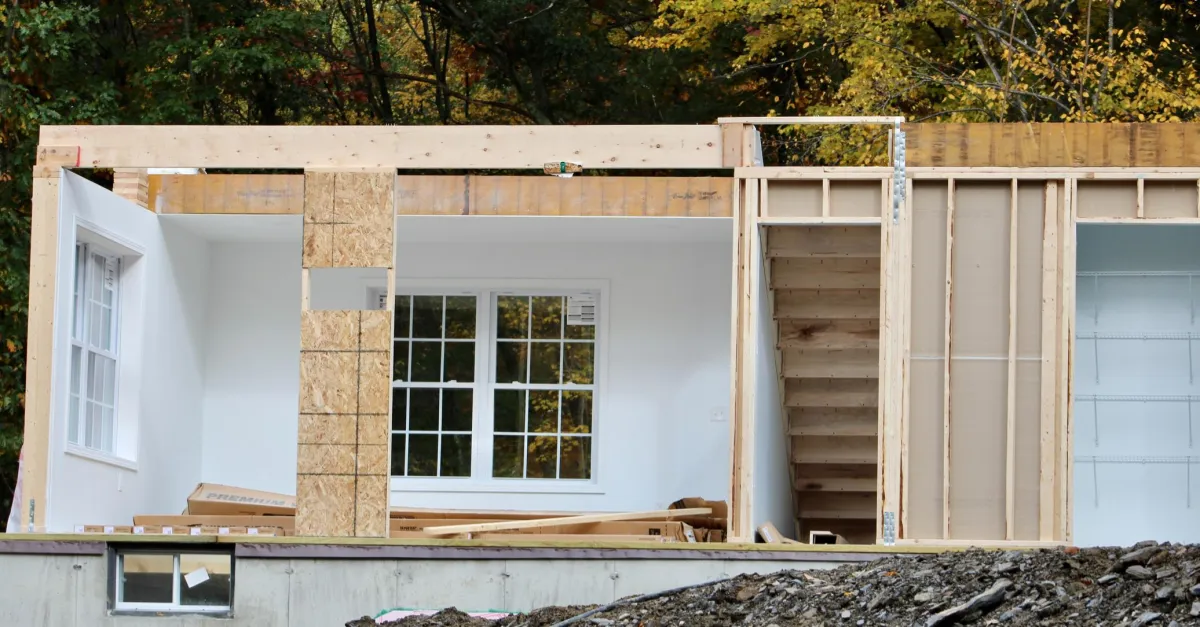
Attached vs. Detached ADUs: Which Is Best for Your Utah Property?
If you're considering building an accessory dwelling unit on your Utah property, one of the first decisions is whether an attached or detached ADU makes more sense for your home. Both options can create valuable additional living space, but the right choice depends on your property layout, intended use, privacy preferences, access, and overall project goals.
For homeowners researching ADU construction in Utah, understanding the differences between attached and detached units can make the planning process easier. Before deciding on a design, it is important to consider how the new space will connect to your existing home and how you want the property to function in the future.
What Is an Attached ADU?
An attached ADU is an accessory dwelling unit that is connected to the primary residence. Depending on the property and design, it may be built as an addition to the existing home or incorporated into an existing portion of the house.
An attached ADU can be a practical option when homeowners want to keep the new living space physically connected to the main residence. It may also work well when the property has limited yard space but has an opportunity for an expansion.
Common uses for an attached ADU include:
Private space for family members
Guest accommodations
Additional living space
Multigenerational living
Home office or flexible living areas
The design can be tailored around the existing structure so the addition feels like a natural extension of the home.
What Is a Detached ADU?
A detached ADU is a separate residential structure located on the same property as the primary home. Because it is physically separated from the main residence, a detached unit can provide greater separation between living spaces.
Detached ADUs are often considered when homeowners have enough usable property space to accommodate a separate structure. They can provide a greater sense of privacy and independence for occupants while still remaining part of the same property.
A detached ADU may be used for:
Family members
Guests
Private living accommodations
Flexible residential space
Long-term housing needs
The layout and placement of the unit should be carefully considered so the new structure works well with the existing home and property.
Attached vs. Detached ADU: What's the Difference?
The biggest difference is the relationship between the ADU and the primary residence.
An attached ADU becomes part of the existing home, while a detached ADU functions as a separate structure. This difference can affect privacy, access, layout, design, and how the property is used.
An attached unit may be more appropriate for homeowners who want convenient access between spaces. A detached ADU may be preferable for those who want greater separation between the main home and the additional living space.
There is no single solution that works for every Utah property. The best choice depends on the specific characteristics of the property and the homeowner's goals.
Privacy and Independence
Privacy is an important consideration when deciding between an attached and detached ADU.
An attached unit can still be designed with a private entrance, kitchen, bathroom, and living area. However, its connection to the main residence may create a closer relationship between the two spaces.
A detached ADU naturally creates more physical separation. This can make it appealing for homeowners who want to provide family members or guests with an independent living environment.
If privacy is one of your main priorities, a detached ADU may be worth considering.
Property Layout and Available Space
Your property's existing layout can have a major influence on which ADU option is practical.
Homeowners should consider:
Available yard space
Existing structures
Property access
Driveways and parking
The location of the primary home
Utility connections
How the new space will interact with the rest of the property
A property with limited usable outdoor space may make an attached ADU more practical. A larger property with sufficient room for another structure may provide more opportunities for a detached design.
Understanding the property before choosing a design can help prevent costly changes later in the planning process.
Access and Entry
Access is another important factor.
An attached ADU can potentially share certain aspects of the existing home while still providing its own entrance. This can be useful when the ADU is intended for a family member who wants some independence while remaining close to the main household.
A detached ADU typically provides a separate entrance and a greater physical distinction from the primary residence. This can be particularly useful when the unit is intended to function as an independent living space.
The best entry arrangement depends on how you expect the ADU to be used.
Designing for Everyday Functionality
Whether you choose an attached or detached ADU, functionality should be at the center of the design.
Consider how the occupant will use the space every day. A well-planned ADU may include a comfortable living area, kitchen, bathroom, bedroom, storage, and appropriate access.
The goal should not simply be to add square footage. The space should work naturally for the people who will use it.
For example, an ADU designed for an aging family member may have different priorities than one designed as a private guest suite. Thinking about these needs early can help guide the layout and features.
Consider the Long-Term Purpose
Before beginning ADU construction in Utah, think about how you expect the space to be used several years from now.
Your current needs may change. A space initially designed for guests could eventually become housing for a family member, a private workspace, or another type of flexible living area.
Designing with future needs in mind can make the investment more useful over time.
Understanding Local Requirements
ADU projects can be affected by local zoning, building codes, permitting requirements, setbacks, utilities, and other property-specific considerations.
Requirements can vary depending on the location and property, so homeowners should verify the applicable rules before finalizing an ADU design.
This is one reason early planning is important. Understanding the property's requirements before construction begins can help establish a realistic project plan.
Attached or Detached: Which Should You Choose?
The right ADU depends on your property and priorities.
An attached ADU may be worth considering if:
You have limited outdoor space
You want the unit connected to the main residence
Convenient access is important
You want the addition to feel integrated with your home
A detached ADU may be worth considering if:
You have enough space for a separate structure
Privacy is a priority
You want a more independent living environment
You want greater separation between occupants
Neither option is automatically better. The best solution is the one that fits your property, lifestyle, budget, and long-term goals.
Planning Your Utah ADU Project
Choosing between an attached and detached ADU is only one part of the process. Property evaluation, design, materials, construction planning, and local requirements all need to be considered before work begins.
Working with an experienced Utah ADU Builder can help homeowners better understand their options and develop a construction plan based on the property and intended use.
Oakley Homes & Construction helps homeowners explore ADU construction, home additions, and remodeling projects throughout Utah, with an emphasis on thoughtful planning and quality craftsmanship.
Final Thoughts
An ADU can be an excellent way to create additional living space while making better use of your existing property. Whether an attached or detached design is the better fit depends on the available space, desired privacy, access, intended use, and long-term plans for the home.
If you're considering building an ADU in Utah, start by understanding your property and defining what you want the new space to accomplish. From there, the right design and construction approach can become much clearer.
Oakley Homes & Construction is proud to serve Utah homeowners with ADU construction, home additions, and remodeling solutions designed around each property's unique needs.